Signs Your Heat Pump Needs Replacing (and When a Repair Is Enough)
Most heat pumps give you warning before they quit, and knowing which warnings matter can save you a cold night and a larger bill.
October 7, 2026 · 4 min read
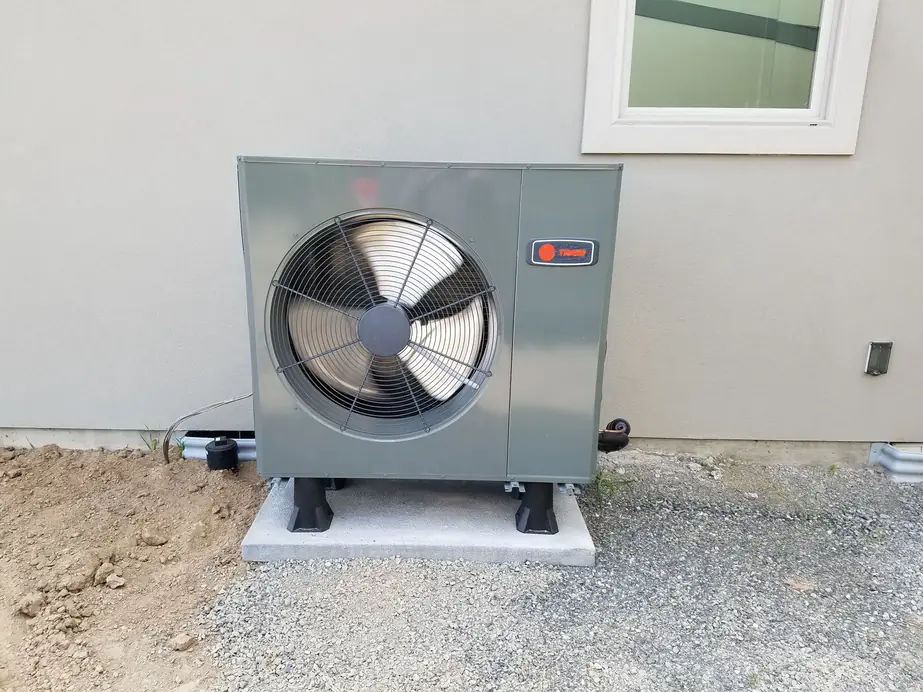
A heat pump does two jobs. In winter it pulls heat out of outdoor air and moves it inside, and in summer it runs the other way and works like an air conditioner. Because it runs most of the year, it wears faster than a furnace that only fires in cold weather. Most heat pumps give you warnings before they quit, and the trick is knowing which warnings point to a quick repair and which ones point toward replacement. Here's what we look for when homeowners across the Yakima Valley call about a struggling heat pump.
Weak airflow from the vents
If the vents are blowing little or no warm air, start with the simple stuff. A clogged filter, closed registers and a blocked return grille all choke airflow, and they cost you nothing to check. If the filter is clean and the registers are open but the air is still weak or only lukewarm, something more is going on. It could be a failing blower motor, a crushed or leaking duct, a frozen outdoor coil, or a compressor that's losing its ability to move heat. A technician can pin down which one with a few measurements: airflow across the coil, the temperature difference between the return and supply air, and the electrical draw on the motors. Weak airflow by itself is a symptom, not a verdict, but it's the first sign most people notice.
Noises and smells that aren't normal
A heat pump isn't silent. You'll hear the fan, a soft hum from the compressor, and a whoosh when the unit goes into defrost. Loud and consistent noises are different, and so are new ones. Here's what the usual suspects mean:
- Grinding or squealing: usually a worn fan motor bearing or a failing blower, and it gets worse the longer it runs.
- Rattling: loose panels or fan blades are an easy fix, but a loose part inside the compressor housing is not.
- Clicking that repeats without the unit starting: often an electrical problem such as a failing contactor or capacitor.
- A burning smell: shut the system off and call. Dust burning off the first time you run heat in the fall is brief and normal, but a smell that lingers can mean an overheating motor or wiring.
- A musty smell: usually moisture in the ductwork or on the indoor coil.
Leaks, ice and excess moisture
Heat pumps make water. In heating mode the outdoor coil gets cold enough to frost over, and the unit periodically melts that frost in a defrost cycle, which is why you may see steam rising off the unit on a cold morning. That's normal. What isn't normal is a unit that stays buried in ice, water pooling around the indoor air handler, or a damp spot on the ceiling or floor near it. Those usually trace back to a clogged condensate drain, a failed defrost control, a refrigerant leak, or a coil that's no longer shedding frost properly. Water inside the house can damage drywall and flooring quickly, so don't wait on this one.
Short cycling and auxiliary heat that never quits
Two signs that don't get enough attention. The first is short cycling: the heat pump turns on, runs for a few minutes, shuts off and starts again. That wears out the compressor, and it usually points to a control problem, an oversized unit, low refrigerant or a safety switch that keeps tripping.
The second is auxiliary heat. Most heat pump systems carry electric heat strips (or sometimes a gas furnace) as backup for the coldest days. On a hard Yakima Valley freeze it's normal for the backup to help out. If it seems to be running constantly even on moderate days, or the thermostat shows aux heat on for days at a time, the heat pump itself may not be keeping up. You'll often see this on your electric bill before you feel it in the house. Ask a technician to check whether the outdoor unit is actually producing heat.
Repair or replace: an honest way to decide
Not every problem means a new heat pump. A bad capacitor, a worn contactor or a clogged drain is a modest repair on a system that's otherwise healthy. Replacement starts to make sense when several of these things line up:
- The unit is well into its second decade and needs repairs more than once a season.
- The compressor is the failing part, since that's the most expensive component.
- Your heating bills have climbed while the weather hasn't.
- The house never feels even, with some rooms cold no matter how long the system runs.
- A technician finds a refrigerant leak in a coil, and the repair would eat up a large share of what new equipment costs.
A good contractor will tell you plainly when a repair is the smarter move. Ask what the repair buys you, how long it's likely to last, and what replacement would involve, and ask for the numbers in writing so you can compare. Pricing depends on the unit, the home and the job.
What to do next
Write down what you've noticed: when the problem happens, what the thermostat is set to, and any sounds or smells. That history helps a technician find the fault faster. If you're seeing two or more of the signs above, call (509) 966-8731 or contact Ice & Fire Mechanical in Yakima for a free consultation. We're a certified Trane dealer and installer, and we can walk you through whether a repair or a new system makes sense for your home.
Ice & Fire Mechanical, (509) 966-8731
Call (509) 966-8731More articles
How to Get Ready for a Heating Service Visit
A little preparation before the truck arrives means a faster visit and fewer surprises.
Questions to Ask Before You Hire an HVAC Contractor
Most heating and cooling work ends up hidden behind walls, so the judging has to happen before the work starts.