Why Your Gas Fireplace Pilot Light Won't Stay Lit
Most pilot problems come down to a handful of parts, and a few of them you can check yourself.
October 7, 2026 · 4 min read
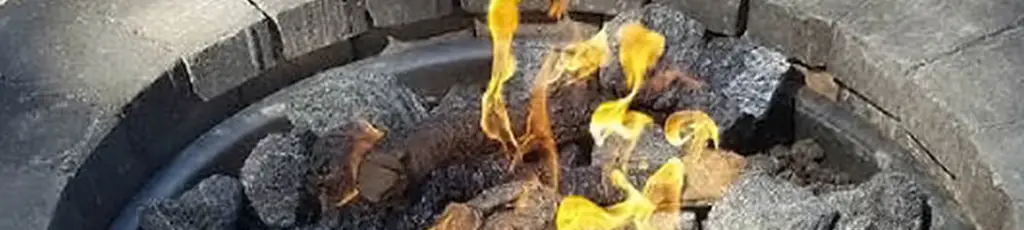
A gas fireplace that won't hold its pilot is one of the most common calls we hear when the first cold snap hits. The fireplace sat all summer, you go to light it in October, and the little flame comes on, then dies the moment you let go of the knob. It's frustrating, but it's rarely mysterious. Most causes come down to a handful of parts and conditions, and a few of them you can check yourself. Others you shouldn't touch.
Safety first: when to stop and make a call
Gas deserves respect. If you smell gas (the rotten egg odor added to natural gas and propane), don't try to light anything, don't flip light switches, and don't use your phone inside. Leave the house and call your gas utility or emergency services from outside. Never keep relighting a pilot over and over while gas may be escaping. Wait the time the manufacturer's instructions call for between attempts, and read those instructions, which are often printed on the fireplace itself or inside the control panel.
The usual suspects inside the fireplace
When a pilot lights but won't stay on, these are the parts a technician looks at first:
- Thermocouple or thermopile: a thermocouple is a small sensor that sits in the pilot flame and generates a tiny electrical signal telling the gas valve the flame is there. If it's worn, bent out of position or coated in soot, the signal drops and the valve shuts the gas off. Many fireplaces use a thermopile, a stronger version of the same idea.
- Dirty pilot assembly: dust, pet hair and spider webs build up around the pilot orifice, giving a weak or lazy flame that doesn't heat the sensor properly.
- Gas supply or valve problem: a partly closed shutoff valve, a worn control valve or a regulator issue means too little gas reaches the pilot.
- Drafts and venting: a downdraft, a blocked vent or a displaced door seal can blow out a pilot or push combustion gases where they shouldn't go.
- Glass front or gasket issues: many units are designed to be sealed, and a loose glass panel can upset the flame.
Timing is a clue. Fireplaces that sit idle all summer collect dust and sometimes insect debris, which is why pilot trouble clusters in the first cold weeks. A fireplace that has trouble only when the wind blows points toward venting or drafts, while one that fails every single time points toward the sensor or valve.
What a homeowner can safely check
A few simple checks don't involve opening the gas train, and they rule out the common non-problems:
- Make sure the gas shutoff to the fireplace is fully open.
- Replace the batteries in the remote or receiver, if your model has one.
- Follow the lighting instructions on the unit exactly, including holding the knob down for the full time they state.
- Look for obvious blockage: leaves, a bird's nest, or snow around an exterior vent.
- Vacuum loose dust from the floor of the firebox with the fireplace cold and off, without touching the pilot parts.
Stop there. Bending the thermocouple, scraping the pilot orifice, replacing the valve or adjusting gas pressure are jobs for a trained technician. Gas work done wrong can cause leaks or carbon monoxide, and no fireplace is worth that risk. If the checks above don't solve it in one or two careful tries, call.
What a real service call looks like
A customer named RandyB wrote in a Google review that he had a pilot light problem on his gas fireplace, that Greg sent out his tech, and that the tech was "extremely friendly" and talked through how to do future preventative service on the system. That second part matters to us as much as the fix. A pilot problem is often a symptom of dirty parts and an unserviced unit, and the best time to deal with that is before the first cold night rather than after it.
A typical preventative visit on a gas fireplace covers cleaning the burner and pilot assembly, testing the thermocouple or thermopile, checking the glass seal and gasket, confirming the vent is clear, and checking connections for gas leaks. Do that once a year and pilot trouble tends to show up at a scheduled visit instead of on a freezing evening.
Outdoor gas fixtures too
The same principles apply outside. We also install outdoor gas fixtures around Yakima: barbeques, gas fireplaces, gas tables and tiki lamps, along with the outdoor gas piping that feeds them. Outdoor appliances face wind, rain and temperature swings, so pilot and burner behavior matters even more. If you're planning a patio, ask us what the layout needs, and check with your city or county on any permit rules for gas work.
If your pilot won't stay lit, call (509) 966-8731 or contact Ice & Fire Mechanical in Yakima. New customers can ask for a free consultation.
Ice & Fire Mechanical, (509) 966-8731
Call (509) 966-8731More articles
Signs Your Heat Pump Needs Replacing (and When a Repair Is Enough)
Most heat pumps give you warning before they quit, and knowing which warnings matter can save you a cold night and a larger bill.
How to Get Ready for a Heating Service Visit
A little preparation before the truck arrives means a faster visit and fewer surprises.